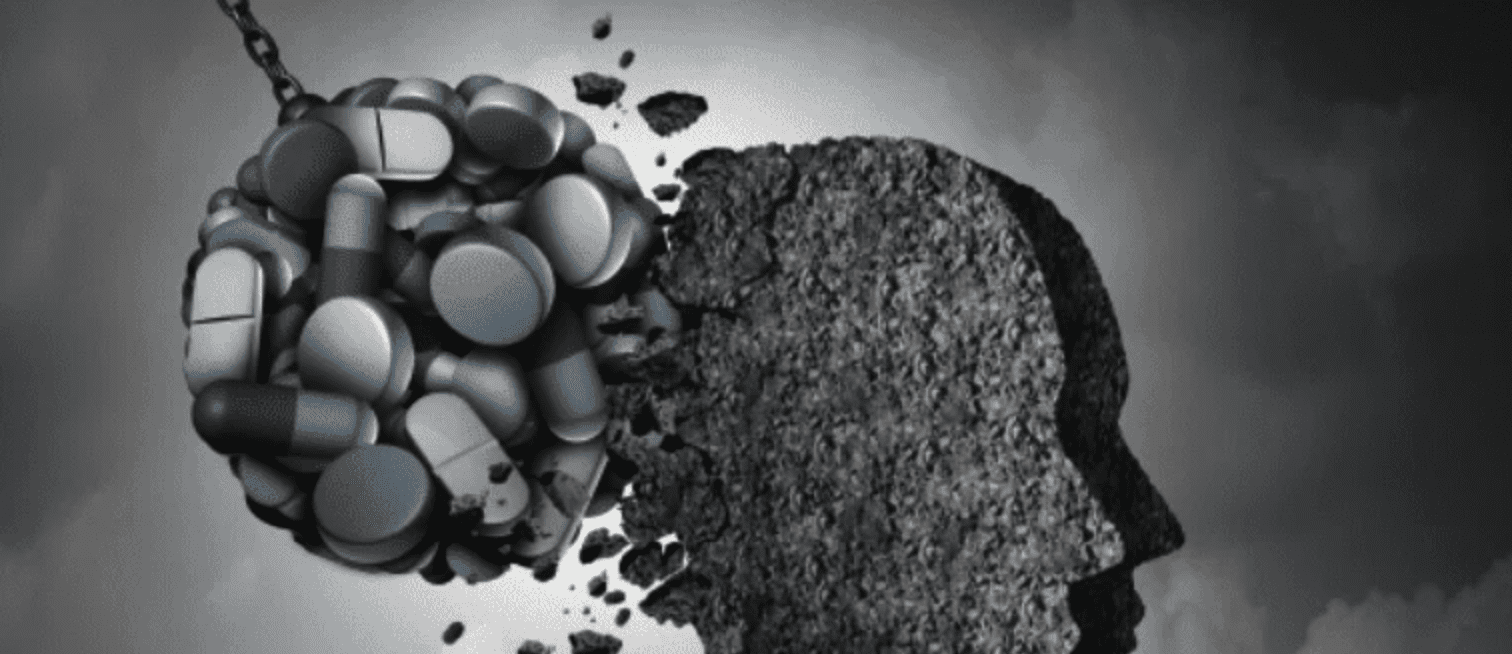
Why My Sister? Book Cover
Out now · Allele Books

Deutsch and Português editions: in the final stages of production.

Neuroscientist · Author · Advocate

Consuelo
Walss-Bass, PhD

A scientist searching for the biological roots of schizophrenia, driven by the question that has shaped her life and her science.

“Why my sister, and why not us? We all grew up in the same environment. We share the same genes. That is the question, and that is why I study what I do.”
Allele Books
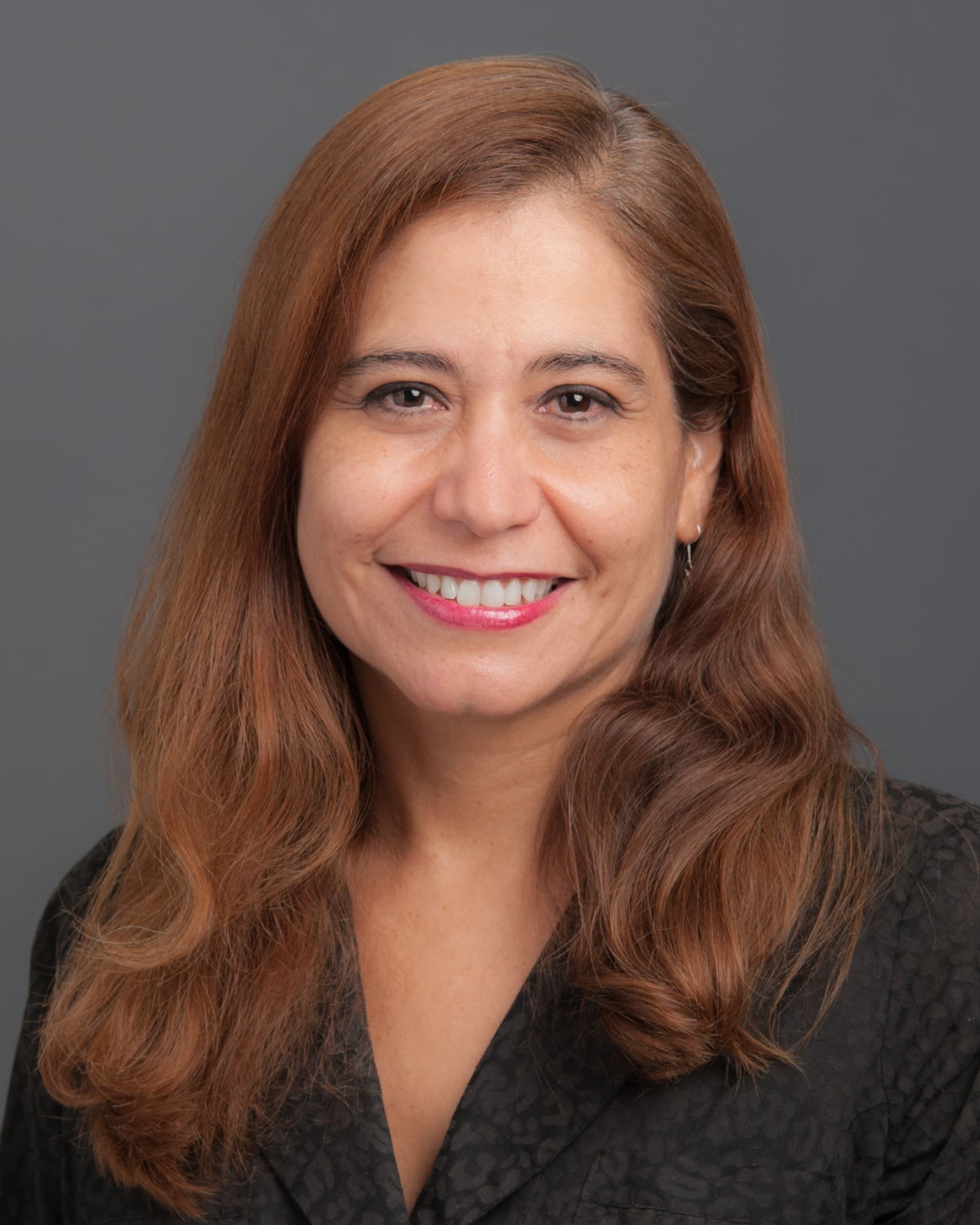
Consuelo Walss-Bass portrait
Photo: UTHealth Houston

From Torreon to the Frontiers of Psychiatric Genetics

Consuelo (Chelo) Walss-Bass grew up in Torreon, Mexico, where she dreamed of becoming a biochemist. No such degree existed in her hometown, and no local company would hire a woman engineer, so she crossed the border to San Antonio with a suitcase and a stubborn sense of purpose. She never went back.

Today she is Professor and the John S. Dunn Foundation Distinguished Chair in the Department of Psychiatry and Behavioral Sciences at McGovern Medical School, UTHealth Houston. She directs the Psychiatric Genetics Program and the UTHealth Houston Brain Collection for Research in Psychiatric Disorders, a resource she founded in 2014 that has received donations from over 180 individuals.

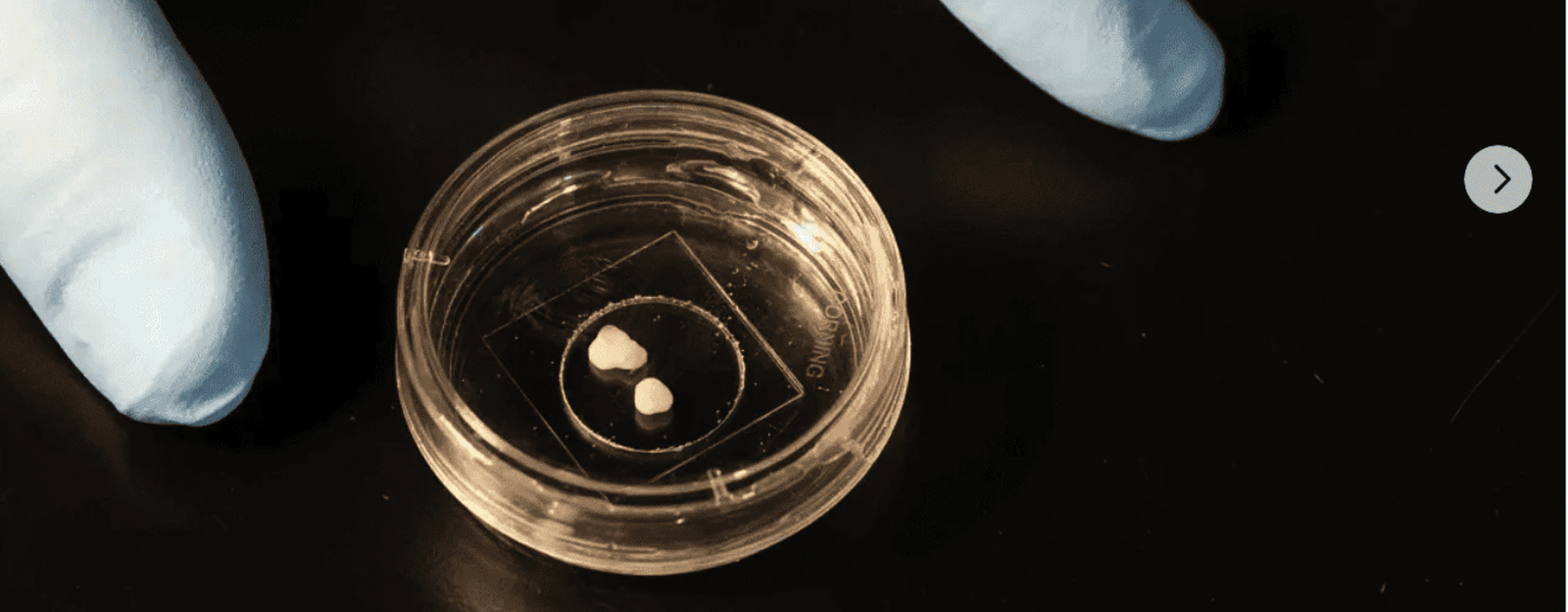
Her laboratory uses postmortem brain tissue, induced pluripotent stem cells, and brain organoids (lab-grown “mini brains”) to investigate the molecular underpinnings of schizophrenia, bipolar disorder, and substance use disorders. Her pioneering work with iPSC-derived neurons was among the first to identify signaling alterations in neurons from schizophrenia patients.

What sets her apart from most researchers in her field is the reason she entered it. Her mother has schizophrenia. Her sister Paty was diagnosed with the same illness. The question that drives all of her work is devastatingly simple: Why her, and not me?

Fellow, ACNP 100+ Publications Continuous NIH Funding Wellcome Leap Awardee NAMI Scientist of the Year

Why My Sister?

Why My Sister? Cover

A Scientist's Search for Meaning Amid Her Family's Struggle with Schizophrenia

Part memoir, part scientific exploration, Why My Sister? traces the Walss family across generations and borders, from a young medical student watching patients in flowing white gowns at a hilltop sanatorium in Puebla, Mexico, to a Houston laboratory where skin cells are transformed into miniature brains.

At its center are five siblings who shared the same genes and the same chaotic childhood with a mother lost to psychosis. Four went on to distinguished careers. One of them, Paty, brilliant and beloved, drew flowers that slowly morphed into shapeless blobs as her cognition crumbled. She now lives in Chelo's garage apartment, stabilized on clozapine after years of chaos.

Walss-Bass weaves the science of FKBP5 polymorphisms, iPSC-derived neurons, and brain organoids together with searingly intimate family history: searching for her three-year-old brother in the middle of the night after their mother, lost to psychosis, took him on a bus ride to nowhere. Three children, ages eight, nine, and ten, sent alone on an overnight bus across Mexico.

“I started writing this book during the year of COVID isolation. My father had moved in with us, and for the first time in my life, we really talked. Learning about my parents' history gave me a new understanding of my own life.”

The book picks up where Peter Wyden's Conquering Schizophrenia left off, covering thirty years of scientific progress while confronting an uncomfortable truth: the struggles have not really changed.

Part I: The Mother Part II: The Siblings Part III: The Sister Epilogue: The Science

Published in September 2026 in six simultaneous editions — English, Spanish, Portuguese, French, German and Italian — Why My Sister? was always meant to belong to the whole world at once, not to one language first and the rest later. Chinese and Japanese editions are in preparation.

Published by Allele Books, an imprint of Genomic Press.

Visit the Book Website →
Building a Window into the Living Brain

180+
Brains Donated
100+
Publications
2014
Brain Collection Founded
20+
Years of Research

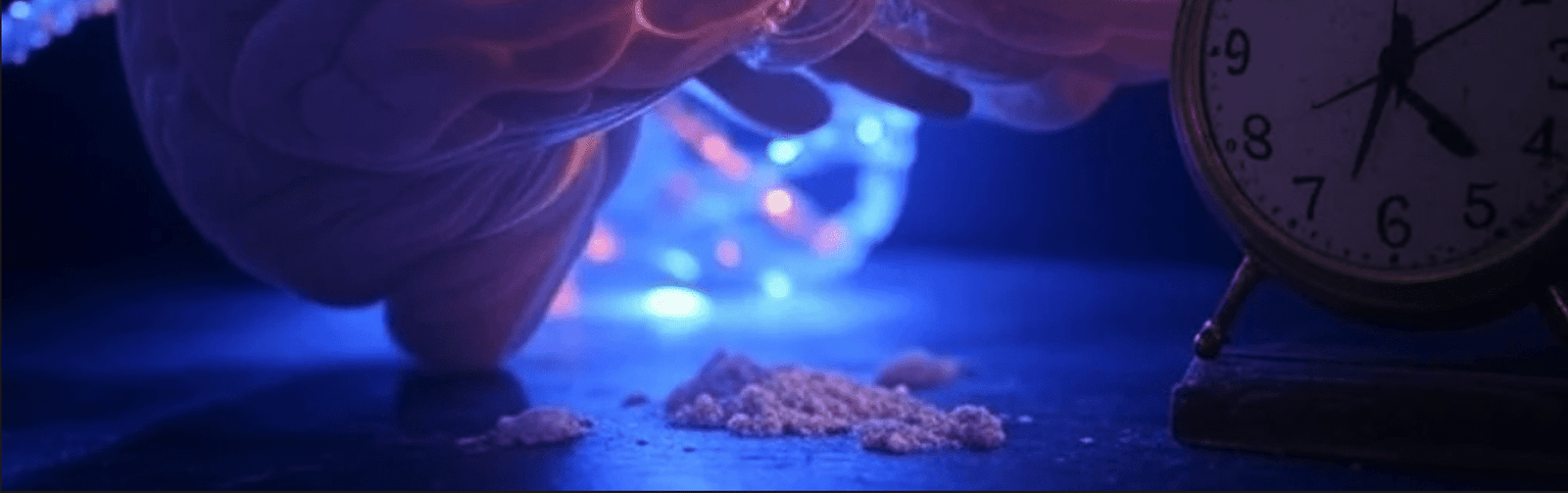
The central challenge of psychiatric research is access. You cannot biopsy a living brain. And when you examine a deceased brain, you cannot see how its cells once communicated. The Walss-Bass laboratory attacks this problem from both directions.

Through the UTHealth Houston Brain Collection, her team works with the Harris County medical examiner's office to obtain postmortem brain tissue, blood, and skin biopsies, paired with extensive clinical and behavioral data gathered through a novel psychological autopsy process. The collection serves researchers worldwide.

From skin cells of donors, her team generates induced pluripotent stem cells (iPSCs) and differentiates them into neurons and three-dimensional brain organoids, living miniature brains smaller than a pea that share the donor's exact DNA. These organoids allow scientists to observe how brain cells communicate, how genetic mutations impair function, and how environmental exposures alter development, all of which are impossible to observe with postmortem tissue alone.

Current projects span schizophrenia, bipolar disorder, opioid use disorder, cocaine use disorder, and suicide. Her work is funded by the NIH, the Wellcome Leap, and private foundations. She has testified before the Texas legislature on mental health policy and serves on numerous NIH study sections.

View full profile at UTHealth Houston →

Selected Coverage

BBC News Mundo

La científica mexicana que lleva más de 20 años buscando una respuesta

A long interview that reached number one among BBC Mundo’s most-read stories: her mother’s hospitalisation, the early signs in her sister that the family could not read, guilt, and why she remains optimistic after more than twenty years of research. Margarita Rodríguez, October 2026. In Spanish.

El País · Science · Spain

A scientist facing her mother’s and her sister’s schizophrenia

A full profile in the most widely read Spanish-language newspaper in the world, tracing a quarter-century of work on the biology of schizophrenia, from the 175 brains of the collection she founded to mini-brains grown from skin cells. Miguel Ángel Criado, September 2026. In Spanish.

TPI · Culture · Italy

Il romanzo di famiglia della genetista che cerca risposte nel labirinto della schizofrenia

The first Italian review, on the Edizioni Allele edition. The book, Lanzetta writes, unites the intimate warmth of memoir with the rigour of research. Andrea Lanzetta, September 2026. In Italian.

Nautilus

Schizophrenia’s Cruel Roulette Wheel

A long interview on why the illness has resisted explanation for a century, how stress and inherited risk combine, and what brain organoids may finally reveal. Kristen French, September 2026.

elDiario.es · Spain

La científica que cultiva minicerebros para entender la esquizofrenia en su familia

On the laboratory work and the stigma behind it, including what the neighbours in Torreón called the family. Antonio Martínez Ron, August 2026. In Spanish.

El Confidencial · Spain

Una madre, cinco hermanos y dos casos de esquizofrenia

Twenty-five years of research told through the brain bank she built across from the county morgue, and the turn from cancer to psychiatry that her mentors questioned. Laura Camacho, September 2026. In Spanish.

Houston Chronicle
Houston Chronicle

UTHealth researchers hope lab-grown mini brains reveal clues about cause of schizophrenia

A feature on the Brain Collection, the organoid programme, and the personal story behind the science. November 2025.

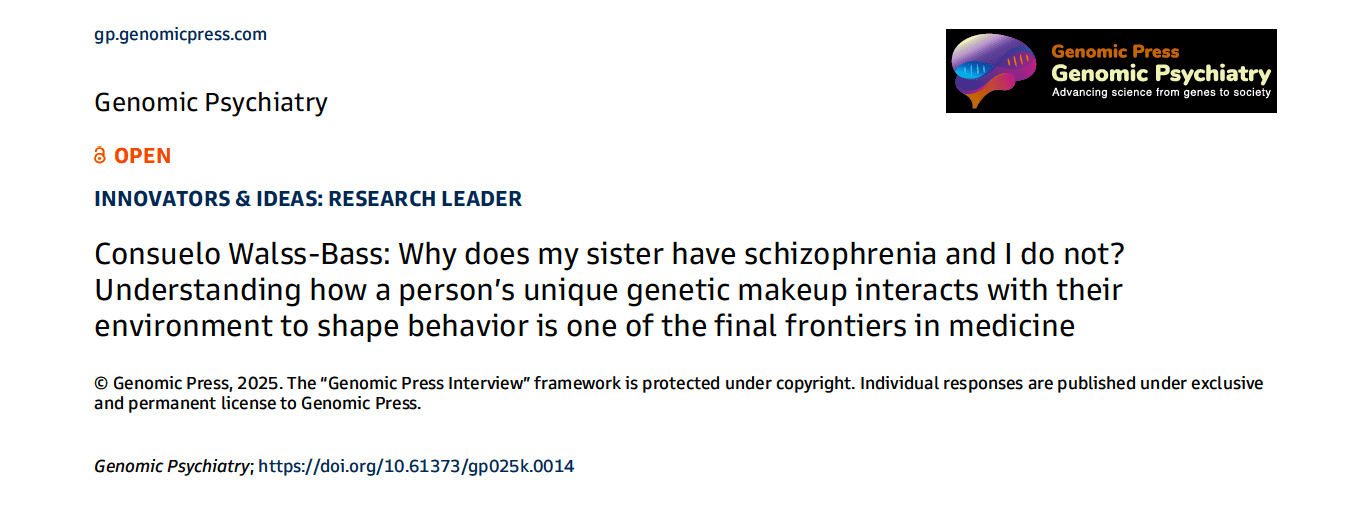
Genomic Psychiatry Interview
Genomic Psychiatry

Why does my sister have schizophrenia and I do not?

An Innovators & Ideas interview on her career, her research philosophy, and the question at the heart of the work. March 2025.

Corriere della Sera
Corriere della Sera · Italy

Droghe e alcol fanno invecchiare precocemente il cervello

Coverage in one of Europe’s most widely read newspapers of the Genomic Psychiatry study linking substance use disorders to accelerated brain aging. April 2025. In Italian.

Genomic Psychiatry Research Article
Genomic Psychiatry · Research Article

Deciphering the Molecular Basis of Accelerated Biological Aging in Substance Use Disorder

Integrative transcriptomic analysis revealing substance-specific gene expression signatures and shared mitochondrial mechanisms across alcohol, opioid and stimulant use disorders. Kluwe-Schiavon et al., 2025.

Walss-Bass family
The Walss-Bass family

Science Rooted in Family

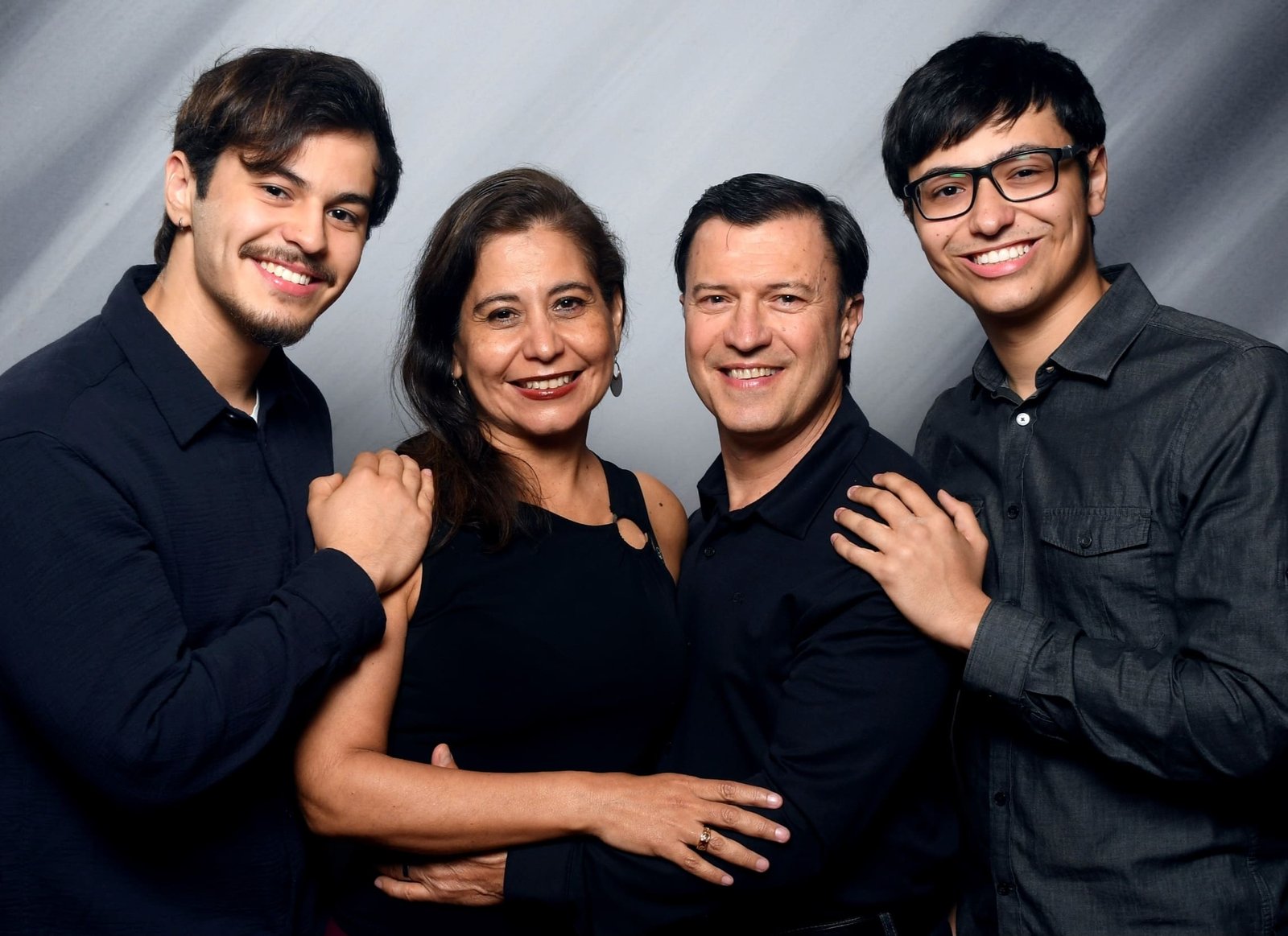
Consuelo lives in Houston with her husband and their two sons. She is a dual citizen of the United States and Mexico. She reads slowly and deliberately, sometimes revisiting a single page, trying to inhabit what she is reading. Her favorite writers are Charles Dickens and Alexandre Dumas. Her hero is her father, who taught her everything by saying very little.

When asked about her greatest fear, she does not hesitate: that one of her sons will develop schizophrenia. When asked about her greatest achievement: helping her sister Paty to be stable.

Her most treasured possession is her mind.

Contact

Get in Touch

For media inquiries, speaking engagements, or research collaborations.